On September 8, Bin Wan, Chief Operating Officer of KEENON Robotics, attended the inaugural Fortune Leaders Forum at Grand Lisboa Palace Resort Macau. The event brought together approximately 300 executives and decision-makers from around the world.
Wan joined Jianxin Pang, Vice President of UBTECH Robotics, and Maoqing Yao, Co-founder of AgiBot, for the opening roundtable on embodied intelligence, discussing real-world deployment, commercialization, and data challenges.
From Demonstration to Deployment
“A general-purpose robot is the outcome, not the starting point,” Wan said. “The first questions should be: where will it work, what will it do, and how will it do it?”
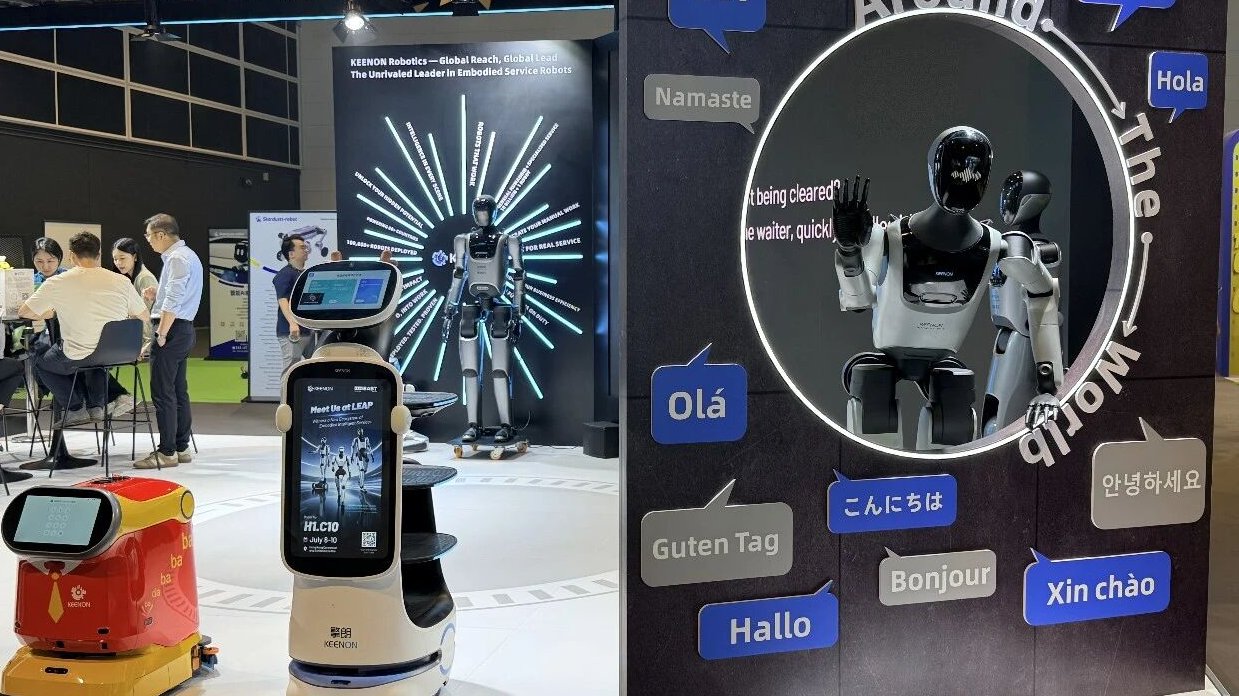
Wan cited KEENON’s deployment at Shangri-La Traders Hotel as an example. The XMAN-R1 humanoid service robot works alongside the T10 and T3 delivery robots, W3 hotel service robot, C40 cleaning robot, and S100 heavy-load delivery robot.
XMAN-R1 handles guest reception and other interactive tasks, while the specialized robots perform standardized operations such as delivery and cleaning. Together, they form an integrated “general-purpose + specialized” service workflow designed around the hotel’s operational needs.
Building on Real-World Experience
KEENON’s strategy is to break down complex service environments into specific roles, such as reception, delivery, cleaning, and coffee preparation. Robots are first deployed in clearly defined jobs and continuously improved through real-world operational data.
Drawing on its experience across restaurants, hotels, hospitals, and other service environments, KEENON applies insights from specialized robot deployment to support the development and commercialization of humanoid robots.
According to IDC, KEENON ranked No. 1 worldwide in commercial service robot shipments in 2025.
General-Purpose + Specialized
Wan noted that general-purpose and specialized robots will coexist and collaborate. Specialized robots offer efficiency and cost advantages in standardized tasks, while humanoid robots are suited to more complex work requiring flexible interaction and manipulation.
This view was echoed by the other panelists. Pang highlighted the different requirements across industrial, commercial, and companion applications, while Yao emphasized the importance of real-world deployment in generating data for reliable model development and continuous improvement.
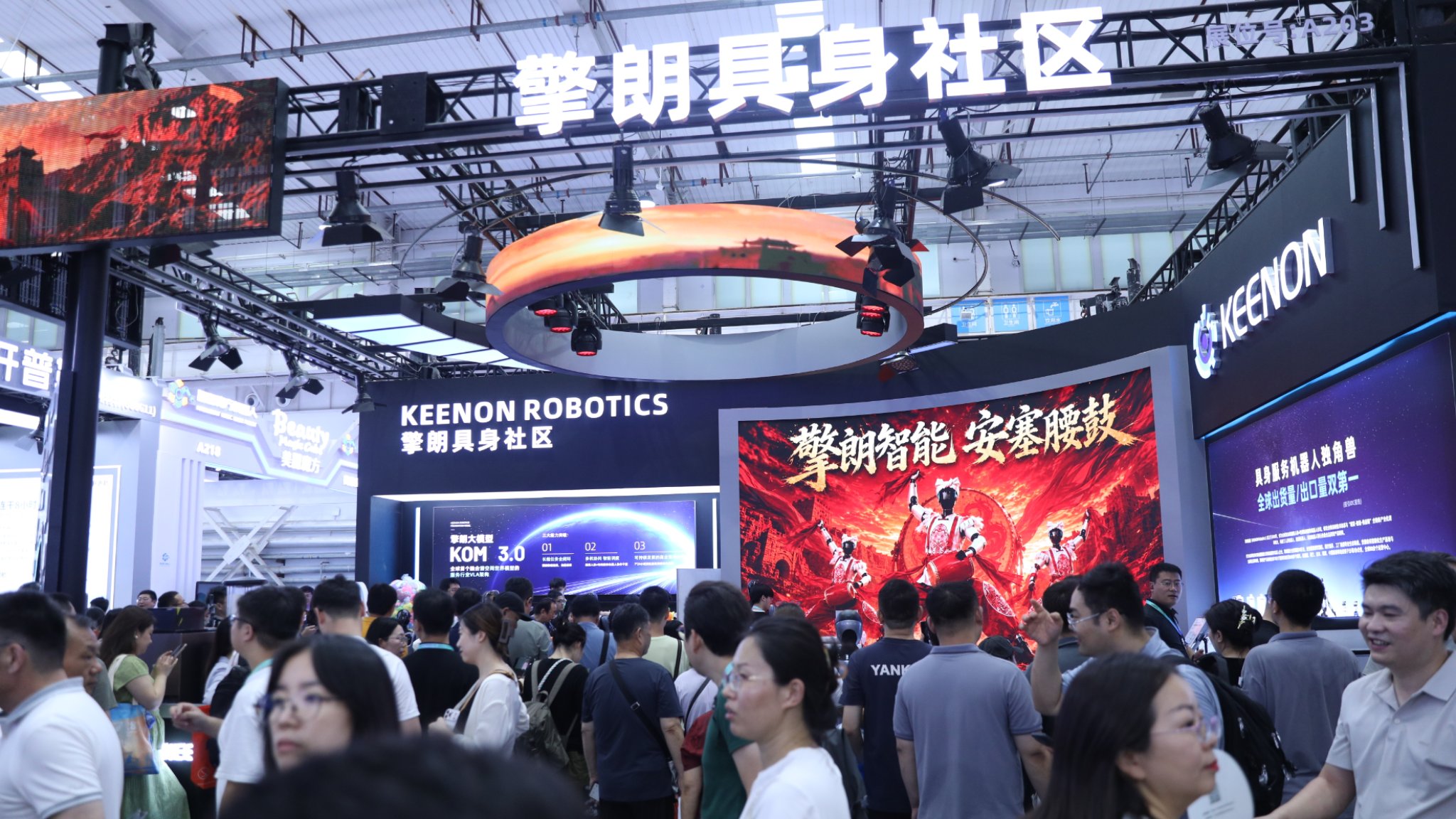
Supporting KEENON’s strategy is KOM 3.0, which KEENON describes as the world’s first service-industry vision-language-action architecture to integrate a latent-space world model. It enables robots to anticipate potential outcomes before acting, helping improve task stability and accuracy.
Through role-based deployment and collaboration between different robot types, KEENON is moving embodied intelligence beyond demonstrations and into real-world service operations.


 Published: 2026-09-19